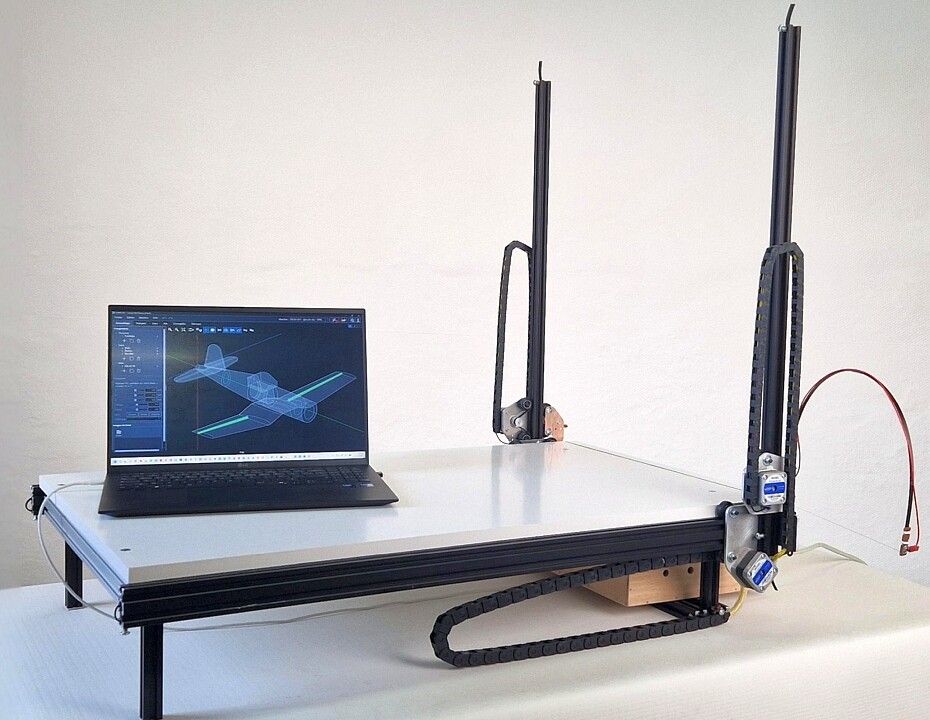
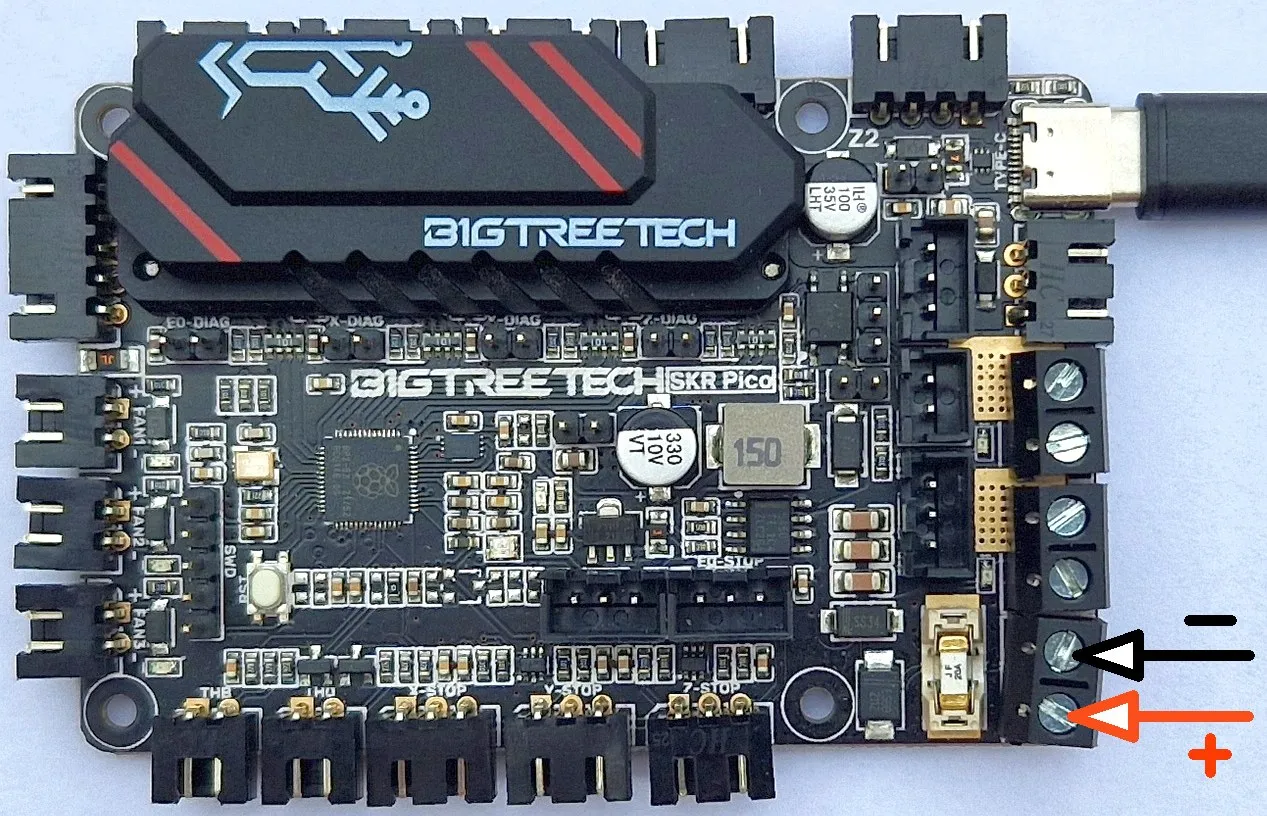
Why 24 V is (often) not enough to heat the wire
A 3D printer board's heating stage is designed for 24 V: enough for a short wire, not enough for a versatile machine.
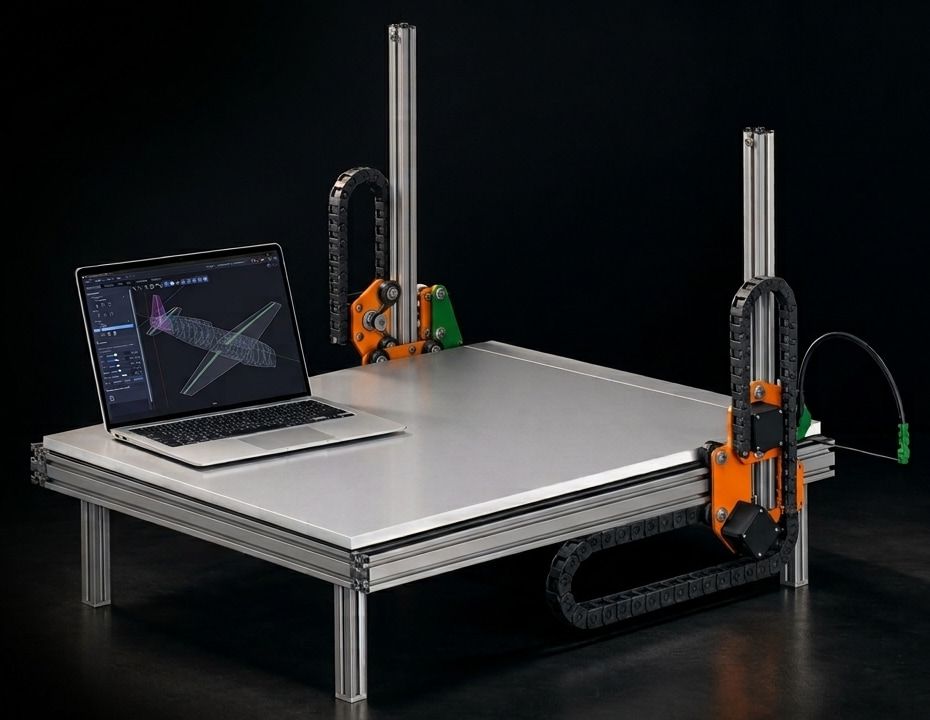
4-axis hot wire CNC cutting · Software and machine
HotWire4X brings together the software, a machine, real projects, and everything I've learned in more than 20 years of hot wire CNC cutting.
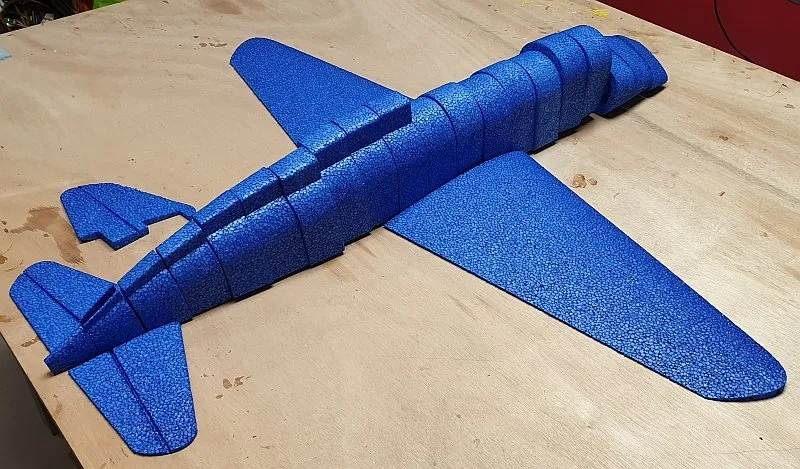
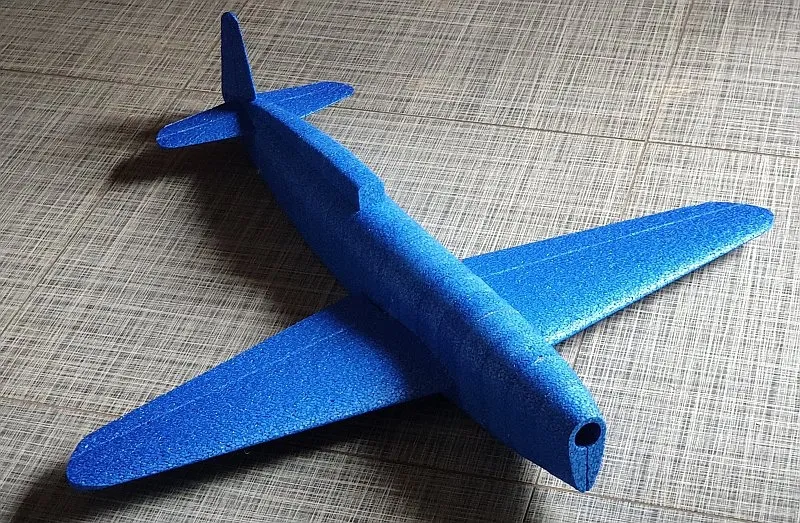
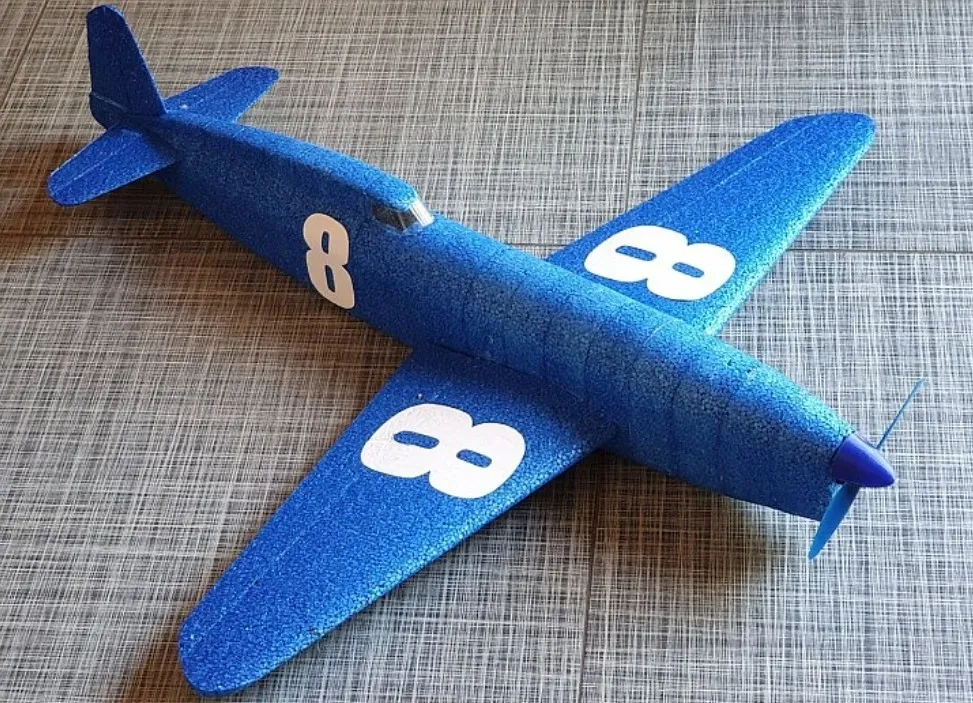
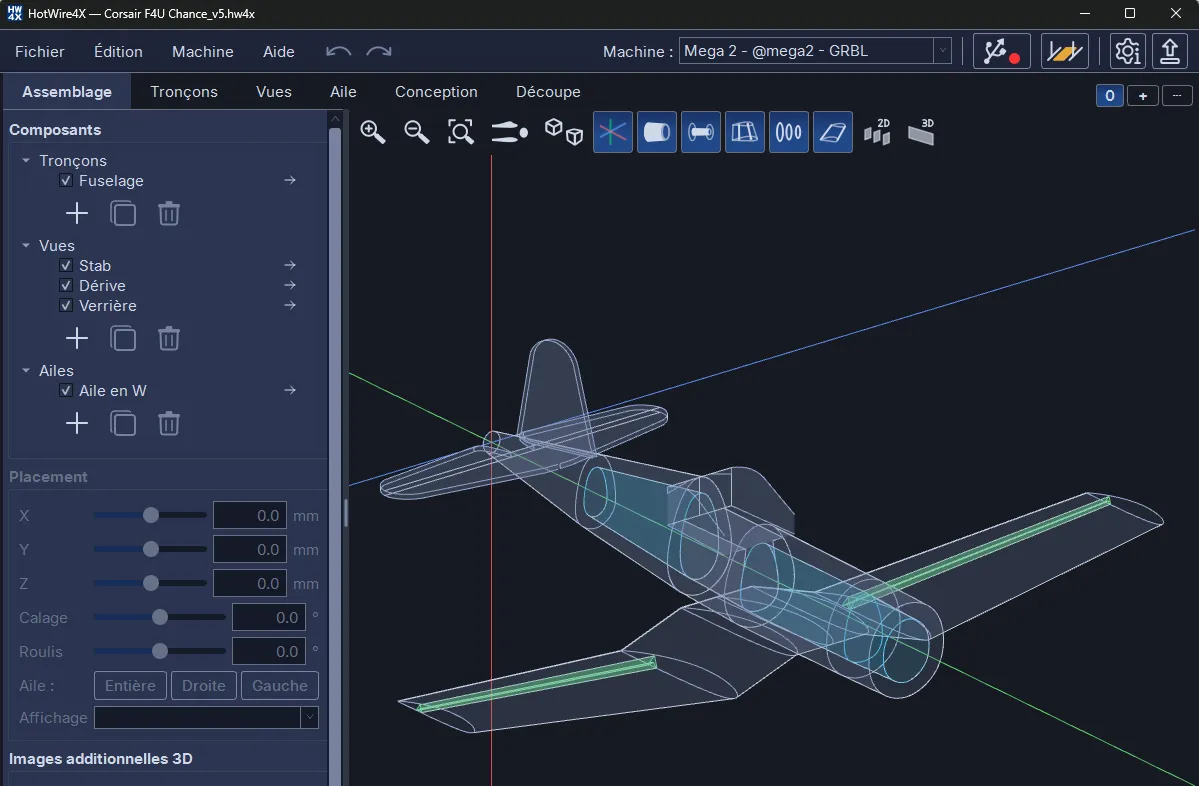
A digital model that takes shape quickly.
HotWire4X turns the geometry into paths, and the MC4X turns the paths into parts wich fit together perfectly. It's a cutting process that is precise, fast and silent.

The software
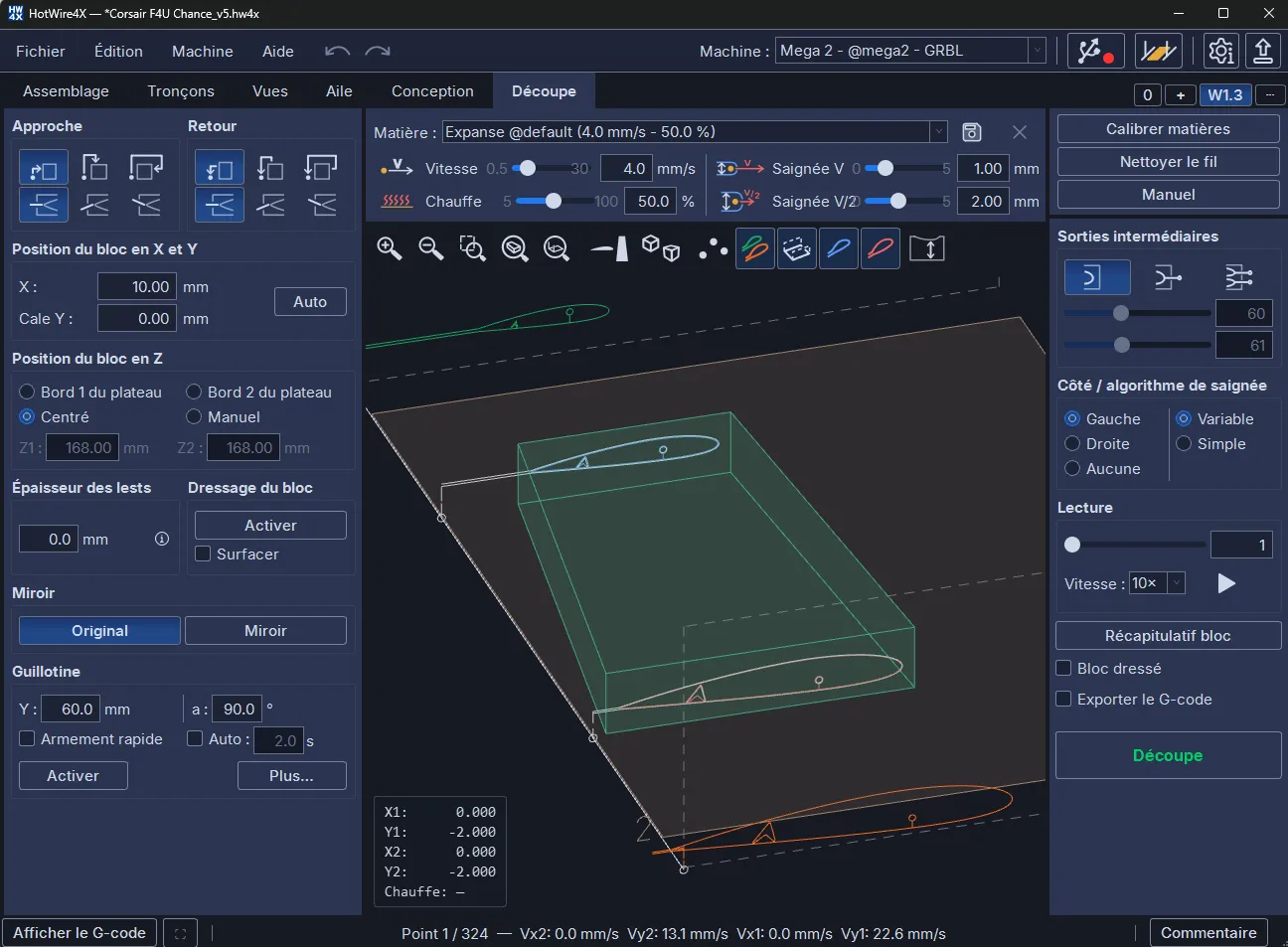
Design, prepare, simulate and control your cuts, in a single program.
Explore the software →The machine
A hot wire CNC machine designed to be built, understood and actually used.
Explore the machine →The know-how
More than 20 years of software, machines, cutting and problem solving.
Read the story →HotWire4X didn't start yesterday. It inherits 20 years of designing and building machines and software, and 30 years of community history.
The whole process, in one diagram.
The principle: two profiles, one on each face of the block. A wire, tensioned and heated, travels along both at the same time, driven at its two ends by the carriages of the machine. Where it passes, the material vaporises.
These two profiles can be different, but they must be synchronised, because the wire advances point by point, on both faces at the same time.
With a wire that is long enough, it can advance diagonally and create incredibly complex cutouts.
The principle looks simple, but it hides several challenges:
Things I've learned by building machines, writing software and cutting, for more than 20 years.
A 3D printer board's heating stage is designed for 24 V: enough for a short wire, not enough for a versatile machine.
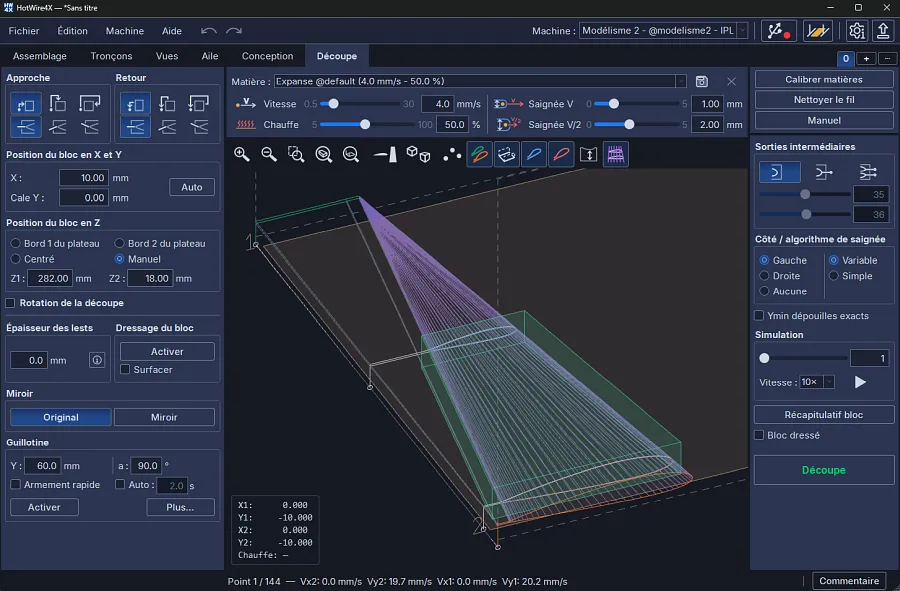
In 4 axes, the wire has two paths and neither can serve as the speed reference. That is why G94 should not be used.
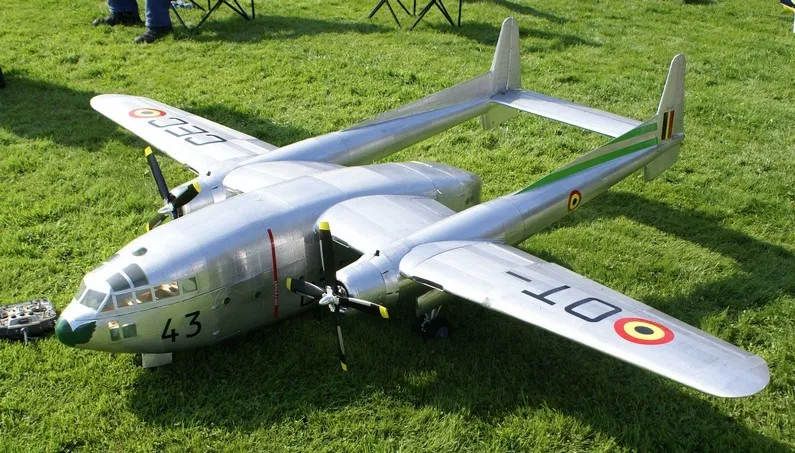
A wide table lets you cut large panels in one go. But does it let you use the full versatility of 4-axis cutting?
The software I put everything I know about cutting into. For Windows and macOS.
One-time payment: a perpetual license for version 6.
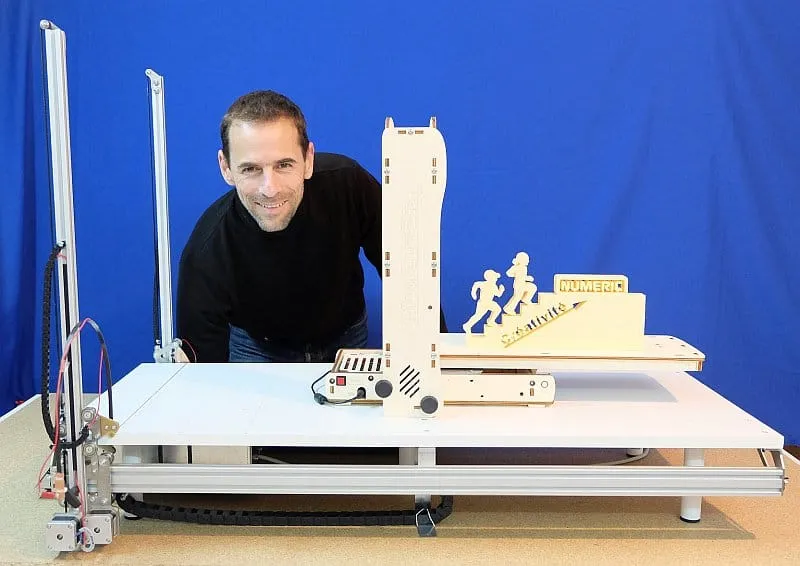
Mechanical engineer by training, RC modeler, solo entrepreneur since 2013.
I discovered hot wire CNC cutting in 2002, among the French model builders who had brought it within reach of hobbyists.
Since then, I've been designing the machines and the software that spare you years of mistakes.